




-
boostability
-
 Uncategorized
-
 0 Comments
-
 July 7, 2026
ADU vs. Tiny Home: Which is for You? | NW Structures
ADU vs. Tiny Home: Which One Fits Your Goals?
Choosing between an accessory dwelling unit (ADU) and a tiny home is more than a design decision. It’s about aligning your lifestyle and long-term goals with the right type of living space. Both options offer unique benefits, but they serve different purposes depending on how you plan to use them.
This article will explore their differences and help you decide which one fits your vision best.
Understanding the Purpose of an ADU
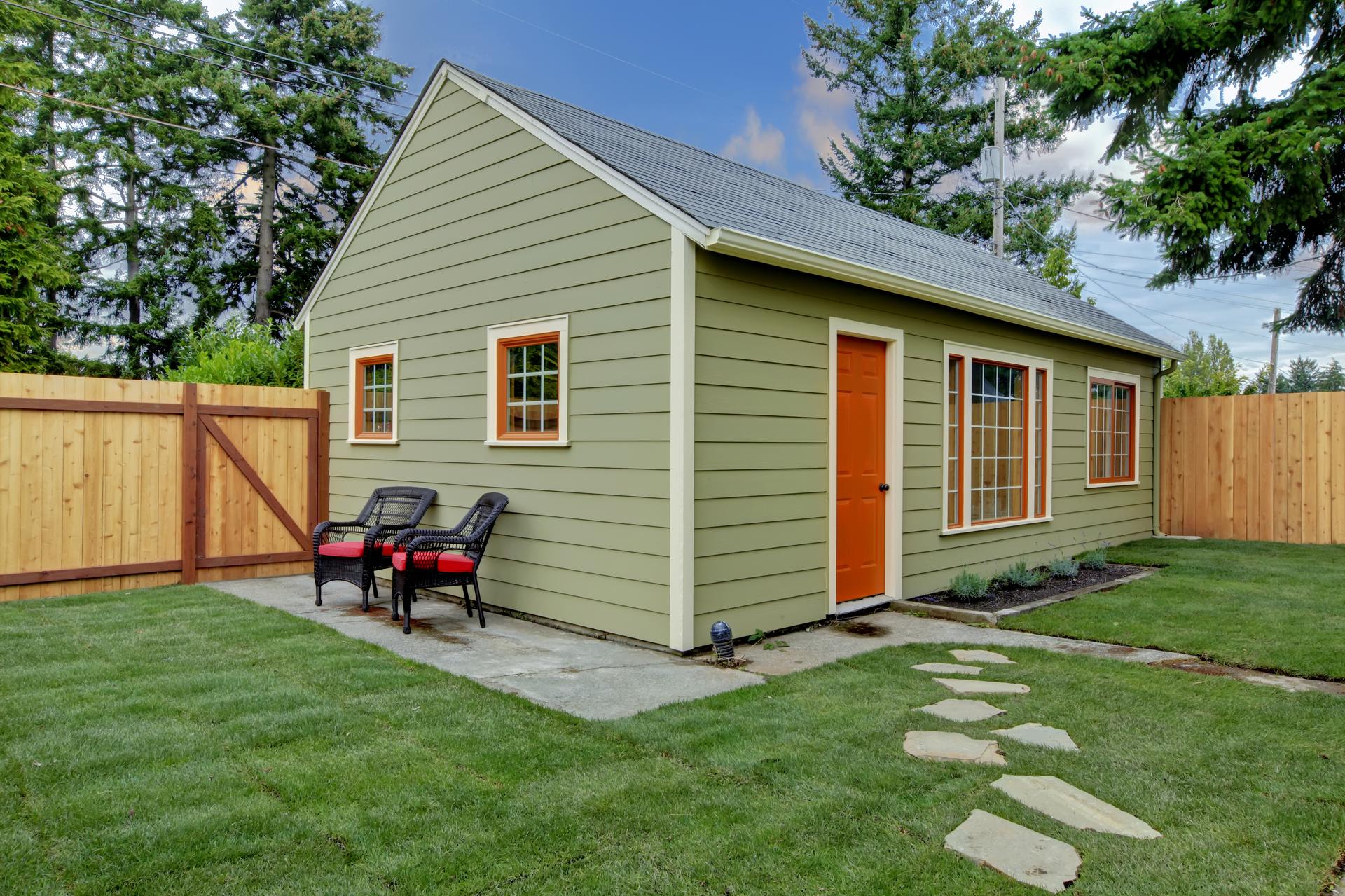
An ADU is a secondary housing unit built on the same property as a primary residence. It can be attached or detached, or even converted from an existing structure like a garage. ADUs are often used to house family members or generate rental income. They create the option of a flexible living space without leaving your property.
Because ADUs are permanent structures, they must comply with local building codes and zoning laws. This makes them a reliable investment that can increase property value. Working with an experienced ADU contractor ensures the project meets all requirements while maximizing functionality.
ADUs also provide long-term stability. Unlike temporary or mobile structures, they are built to last and can be customized to meet the needs of different generations.
Whether you want to create a private space for aging parents or a rental unit for extra income, ADUs offer flexibility without sacrificing comfort.
Defining the Concept of a Tiny Home
Tiny homes are typically standalone, compact dwellings designed for minimal living. They can be built on foundations or wheels, offering mobility and flexibility. Many people choose tiny homes for affordability or the freedom to relocate. Unlike ADUs, tiny homes may face stricter zoning challenges, especially if they are mobile. They are often best suited for individuals or couples who embrace a minimalist lifestyle and don’t require much storage or living space.
Tiny homes also appeal to those who value independence. With a smaller footprint, they encourage creative use of space and often feature multi-functional furniture. For people who want to downsize and live simply, tiny homes can be a refreshing alternative to traditional housing.
Comparing Costs and Investment Value
ADUs generally require a larger upfront investment due to construction and utility connections. However, they often provide long-term financial benefits through rental income or increased property value. Tiny homes, on the other hand, are less expensive to build but may not add value to your property in the same way.
If your goal is to create a lasting asset, an ADU is the stronger choice. It integrates seamlessly into your property and can generate consistent returns. Tiny homes may be more affordable initially, but they don’t always offer the same financial stability.
It’s important to consider not just the initial cost but also the long-term value. ADUs can pay for themselves over time, while tiny homes are more about lifestyle than investment.
Evaluating Lifestyle and Space Needs
ADUs offer more space and privacy, making them ideal for multigenerational living or long-term tenants. They can include full kitchens, bathrooms, living spaces, and multiple rooms, providing a traditional home experience. In contrast, tiny homes are compact and efficient, often ranging from 100 to 400 square feet. They encourage a minimalist lifestyle and are best for those who value simplicity and mobility over space.
If you need room for guests, storage, or long-term living arrangements, an ADU is the better option. If you’re comfortable with less space and want to prioritize freedom and mobility, a tiny home may be the right fit.
Considering Legal and Zoning Requirements
Building an ADU requires navigating local regulations. While this process can be complex, it ensures the structure is legal and permanent. Tiny homes, especially mobile ones, may face restrictions depending on where you plan to place them. Some municipalities limit their use or require special permits.
Understanding these requirements early helps you avoid costly setbacks and ensures your project aligns with local laws. ADUs are generally easier to approve because they are tied to an existing property, while tiny homes may require more flexibility and negotiation with local authorities.
Factoring Sustainability and Energy Efficiency
Both ADUs and tiny homes can be designed with sustainability in mind. ADUs can incorporate energy-efficient appliances and eco-friendly materials. The roof can support solar panels for renewable energy.
Tiny homes naturally reduce energy consumption due to their size, making them an attractive option for environmentally conscious homeowners. Your choice depends on whether you want a permanent eco-friendly addition to your property or a mobile, minimalist lifestyle with a smaller footprint.
Both options can help reduce your environmental impact, but they do so in different ways.
Making the Right Choice for Your Goals
Ultimately, the decision comes down to your priorities. If you want to increase property value while providing housing for a loved one or generating rental income, an ADU is the better fit. But if you’re seeking mobility and simplicity, a tiny home may be the right path.
Think about your long-term goals. Do you want a permanent structure that enhances your property, or a flexible home that allows you to live simply and move when you choose? Your answer will guide you toward the right option.
Final Thoughts
Choosing between an ADU and a tiny home depends on your lifestyle, financial goals, and property plans. Both options offer unique benefits, but the right choice will align with your long-term vision. If you’re ready to explore building an ADU or a tiny home, reach out to us today to bring your project to life.
Frequently Asked Questions
What is the main difference between an ADU and a tiny home?
An ADU is a permanent structure built on the same property as a primary home, while a tiny home is a compact dwelling that can be mobile or standalone. They represent two different long-term goals for residency and investment.
Can I rent out both ADUs and tiny homes?
Yes, but ADUs are generally easier to rent out because they comply with local housing codes. Tiny homes may face restrictions depending on zoning laws.
Which option is more affordable to build?
Tiny homes are usually less expensive upfront than ADUs. The latter costs more usually, but you may see more long-term financial benefits through property value and rental income.
Do ADUs require permits?
Yes, ADUs must meet local building codes and zoning regulations; permits are required for construction and occupancy.
Are tiny homes allowed in all states?
No, tiny homes face zoning challenges in many areas. Some states and cities have embraced them, while others restrict their use. Be sure to check your local zoning laws to learn about how you can use your tiny home.
